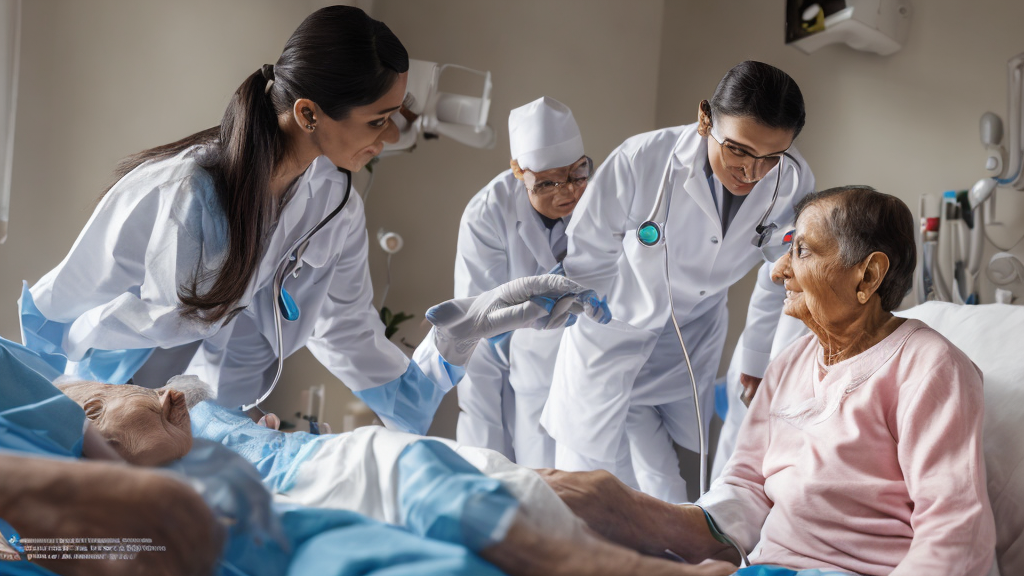
Effective pain control in older adults requires a multimodal, regularly reviewed approach that minimises opioid-related side effects while achieving meaningful symptom relief.
Depression and anxiety affect more than one in three elderly patients receiving home care, yet they are frequently undiagnosed and untreated.
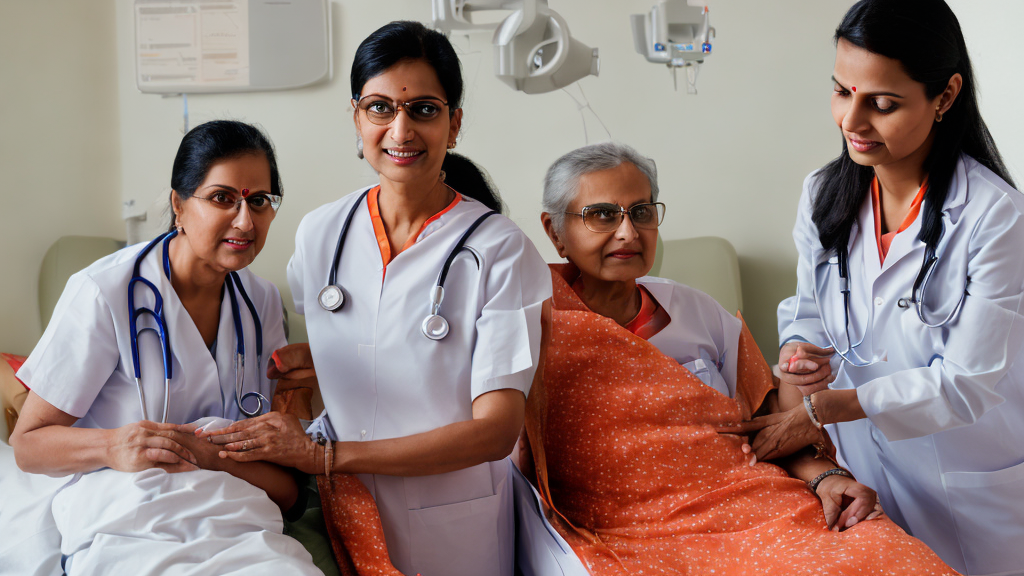
Effective home care requires nurses to adapt their communication, dietary planning and care practices to the cultural background of each patient.
A systematic approach to fall prevention, calcium and vitamin D supplementation, and bone density monitoring can dramatically reduce osteoporosis-related fractures.
Recognising early signs of decompensated heart failure — sudden weight gain, ankle swelling, breathlessness — can prevent emergency admissions.
Our membership of the GHWA reinforces our commitment to ethical, fair and sustainable international healthcare recruitment.
Warfarin and newer direct oral anticoagulants require vigilant monitoring in elderly patients to balance stroke prevention against bleeding risk.
Nurses managing CKD patients must balance fluid restriction, dietary guidance, medication safety and regular monitoring to prevent rapid disease progression.
Our expanded African agent network now provides in-country support from Lagos to Nairobi, making relocation smoother than ever for nurses.
Caring for patients with Parkinson's disease demands expertise in motor symptom management, medication timing, dysphagia screening and fall prevention.
Pressure ulcers are largely preventable with appropriate repositioning, skin assessment and nutritional support — key responsibilities for home care nurses.
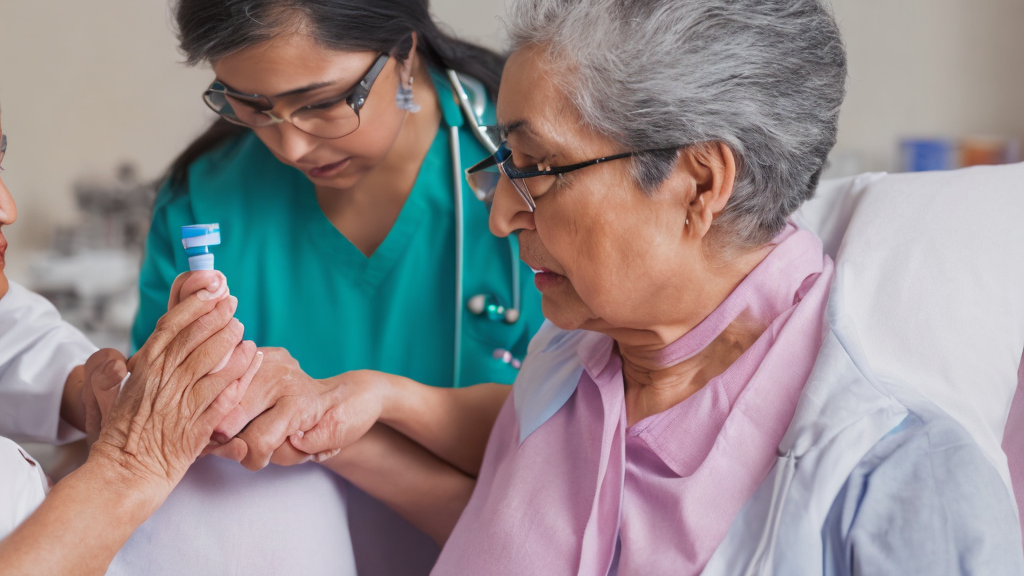
Insulin management in older adults requires simplified regimens, clear device training and close monitoring to prevent dangerous hypoglycaemic episodes.