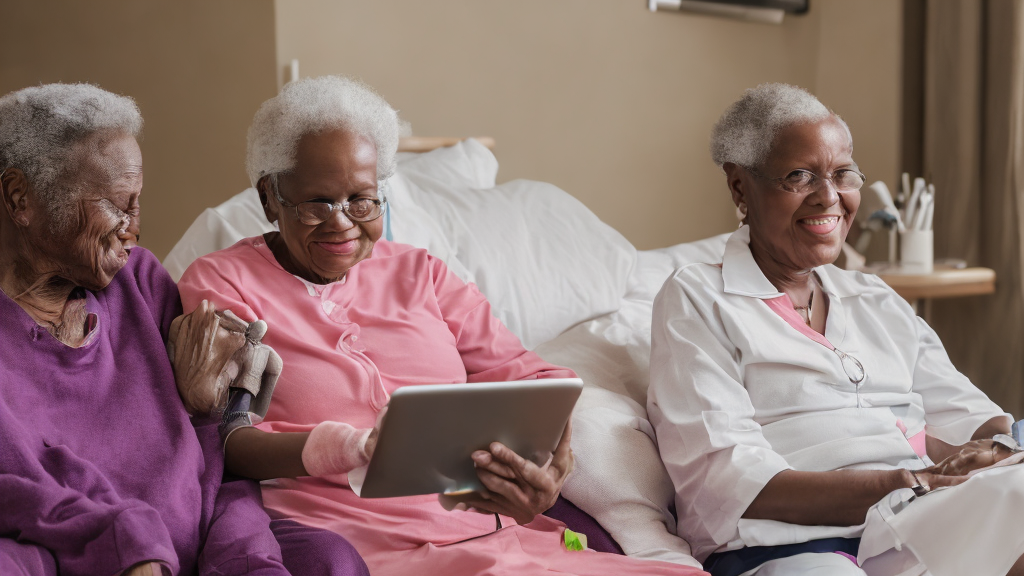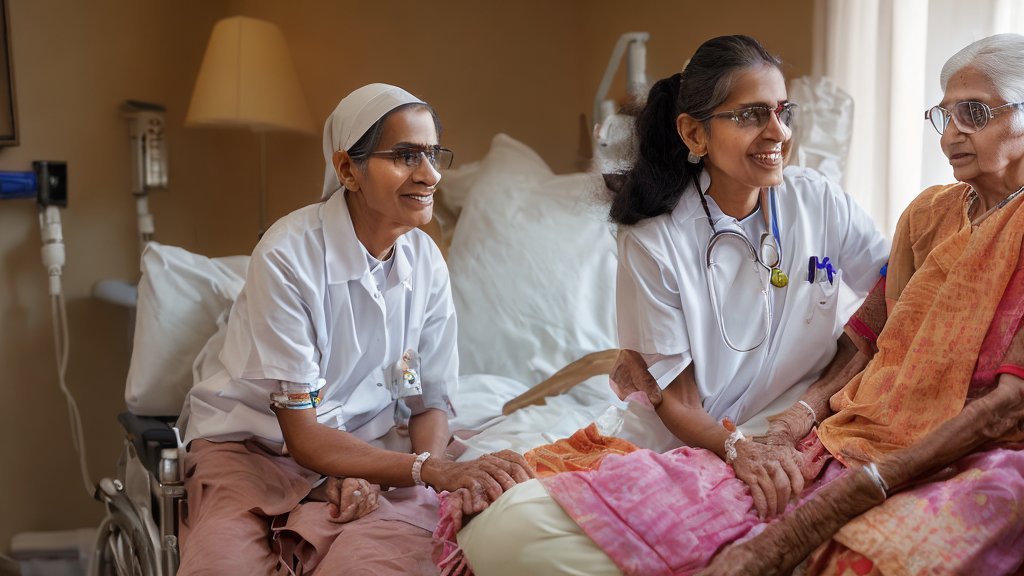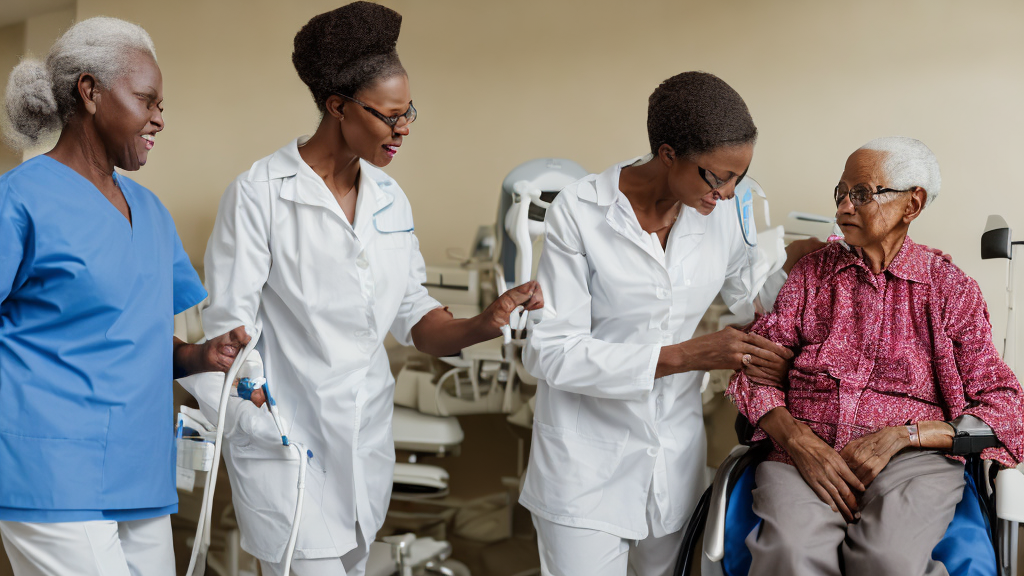

Effective home care requires nurses to adapt their communication, dietary planni...
The populations served by home health and home care agencies in major cities across the USA, Canada, UK, and Australia are increasingly diverse, reflecting decades of immigration and the growing cultural heterogeneity of these societies. For home care nurses, cultural competency — the ability to deliver effective, respectful and patient-centred care to individuals from different cultural, linguistic and religious backgrounds — is not an optional add-on skill but an essential clinical competency.
Cultural factors influence virtually every dimension of home care: dietary preferences and restrictions, family dynamics and decision-making structures, attitudes towards pain expression, preferences regarding end-of-life care, and willingness to accept assistance with intimate personal care. A nurse who is unaware of or insensitive to these factors can inadvertently undermine the therapeutic relationship, reduce patient engagement with care and — in extreme cases — cause genuine harm.
Mehermedics training programmes include dedicated cultural competency modules for each destination country, covering the major cultural and linguistic communities present in each location. Our African-trained nurses frequently bring a natural cultural sensitivity and multilingual capability that is highly valued by patients and care providers alike, and this is one of the key strengths we promote to our hospital and home care partners.