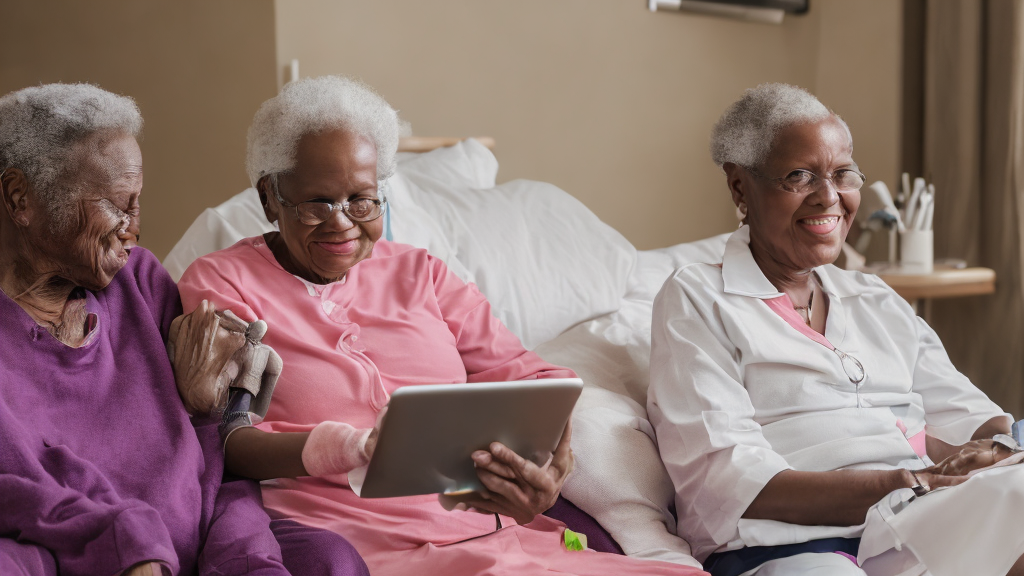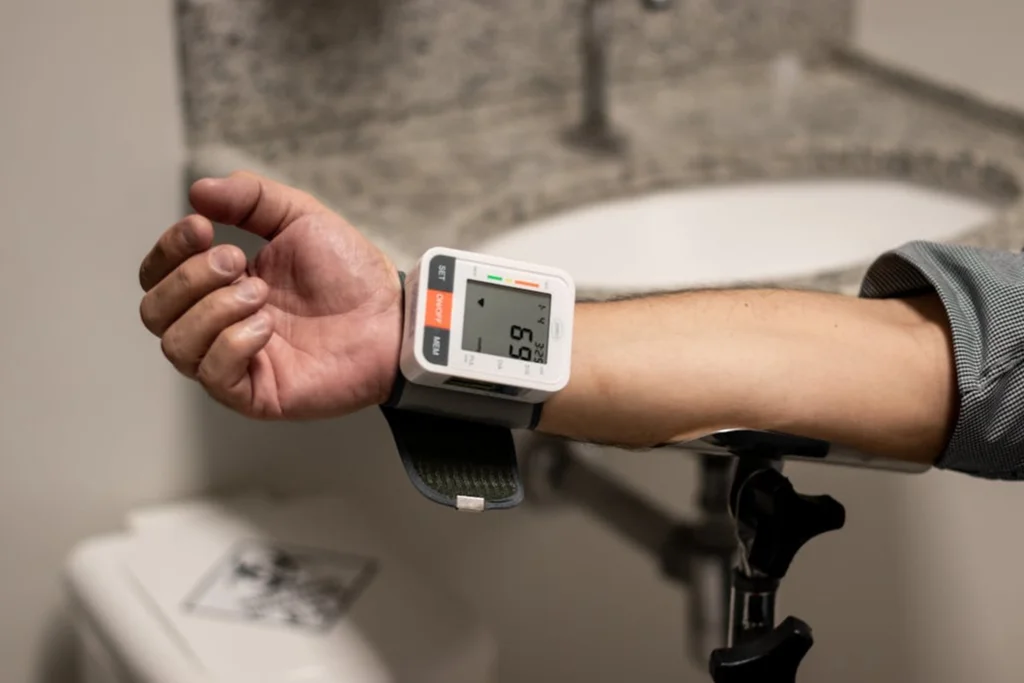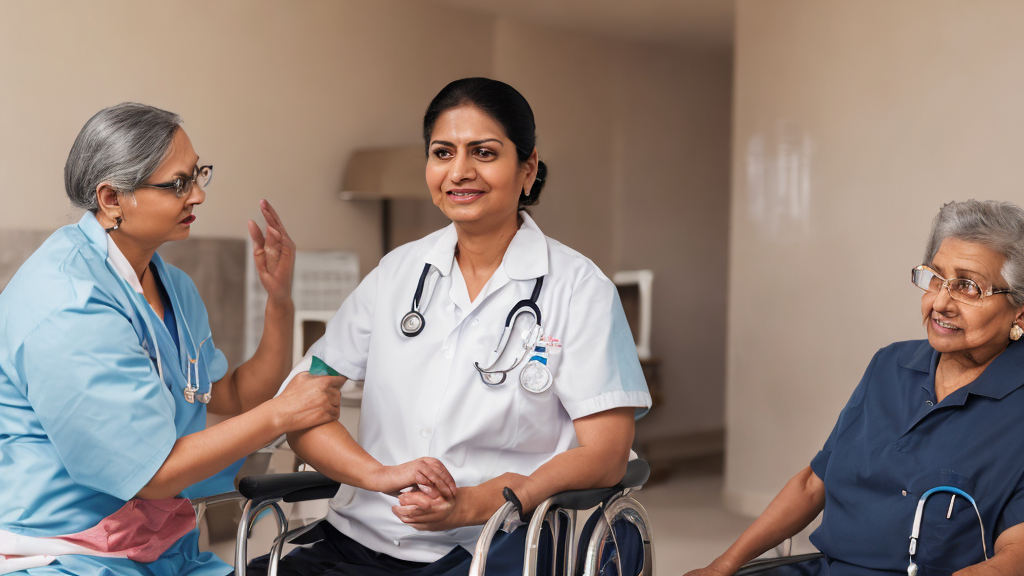
Telehealth platforms, wearable sensors and AI-powered monitoring tools are transforming what home care nurses can achieve without being physically present.
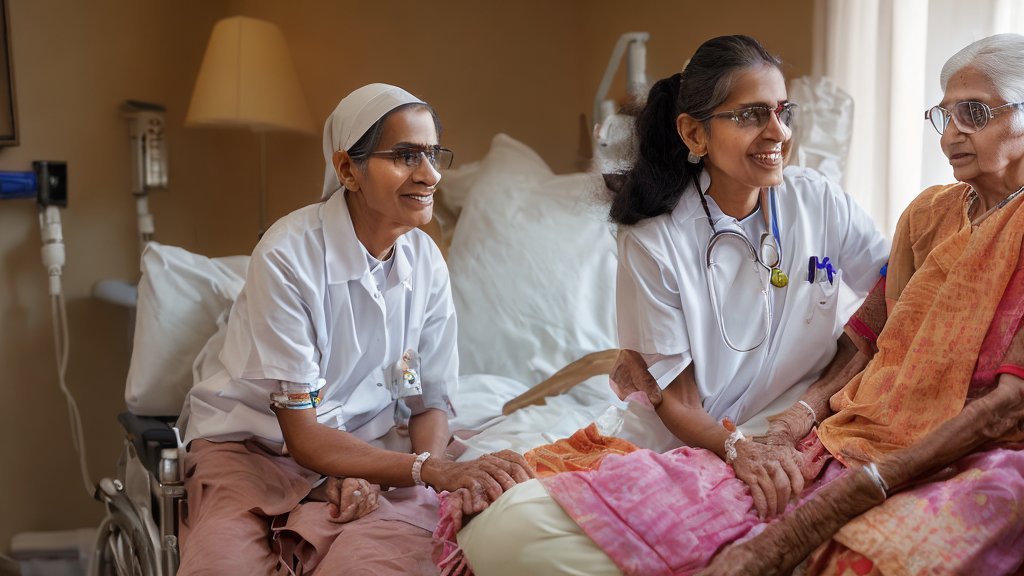
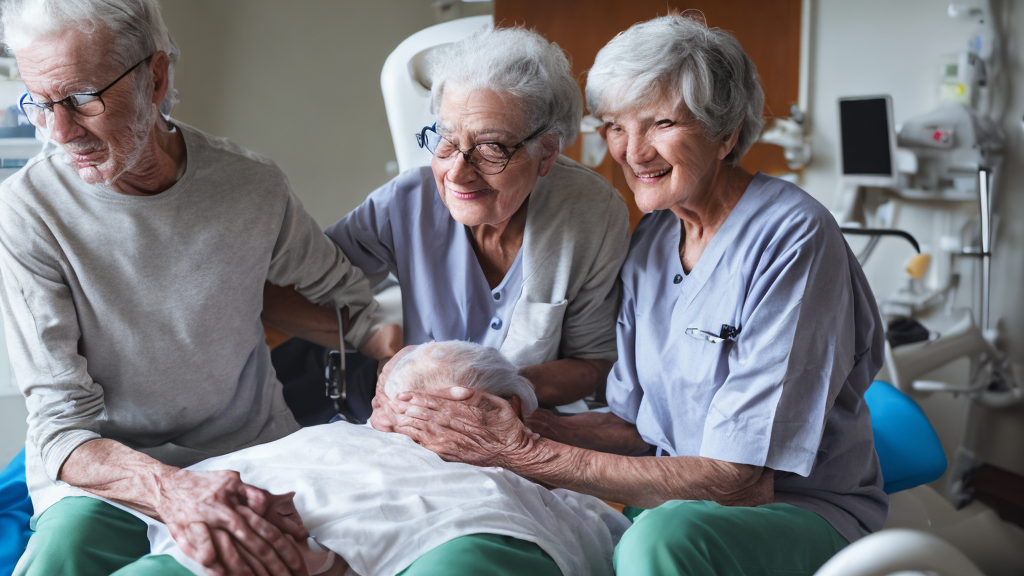
Dying at home is the preferred choice of the majority of elderly patients, and skilled home care nurses are the professionals who make this possible.
Diabetes management in elderly patients demands a nuanced, patient-centred approach that balances glycaemic control with the risks of hypoglycaemia, polypharmacy and frailty.
Our new Australian partnerships open 40 immediate nursing and home care roles across Sydney, Melbourne and Brisbane.
When a patient takes five or more medications daily, the risk of adverse drug reactions, drug–drug interactions and non-adherence increases exponentially.
Over-prescription of antibiotics in elderly home care patients contributes to antimicrobial resistance — nurses have a frontline role in stewardship.
The agreement ensures a steady pipeline of qualified African nurses into Canada's growing home care sector, with full licensing and relocation support.
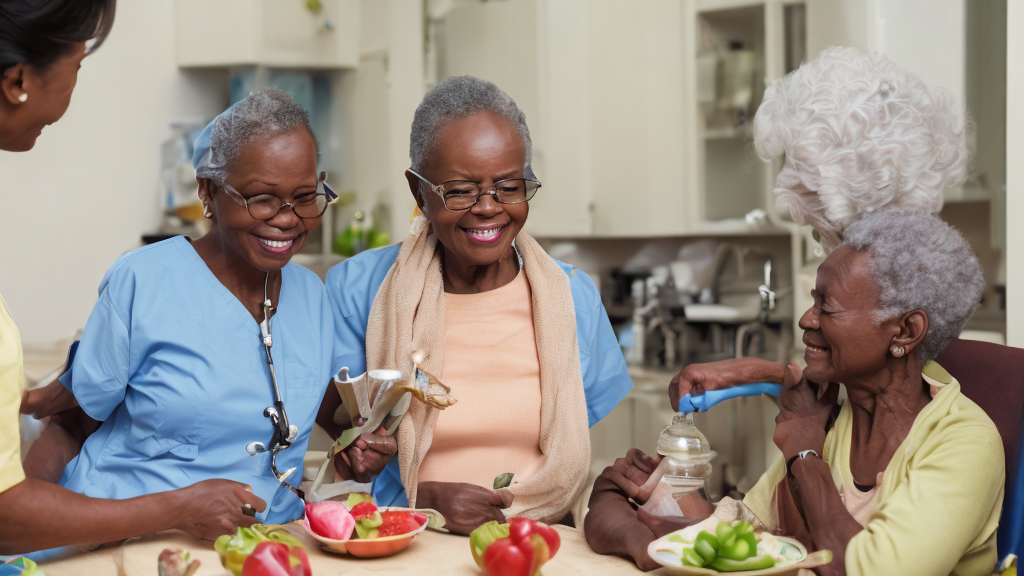
Malnutrition and dehydration are silent epidemics among homebound elderly patients, and proactive nutritional care is a frontline nursing responsibility.
COPD exacerbations are a leading cause of emergency admission in older adults — proactive monitoring and patient education can dramatically reduce their frequency.
Dementia care requires patience, evidence-based communication strategies and a structured daily routine to maintain patient dignity and quality of life.
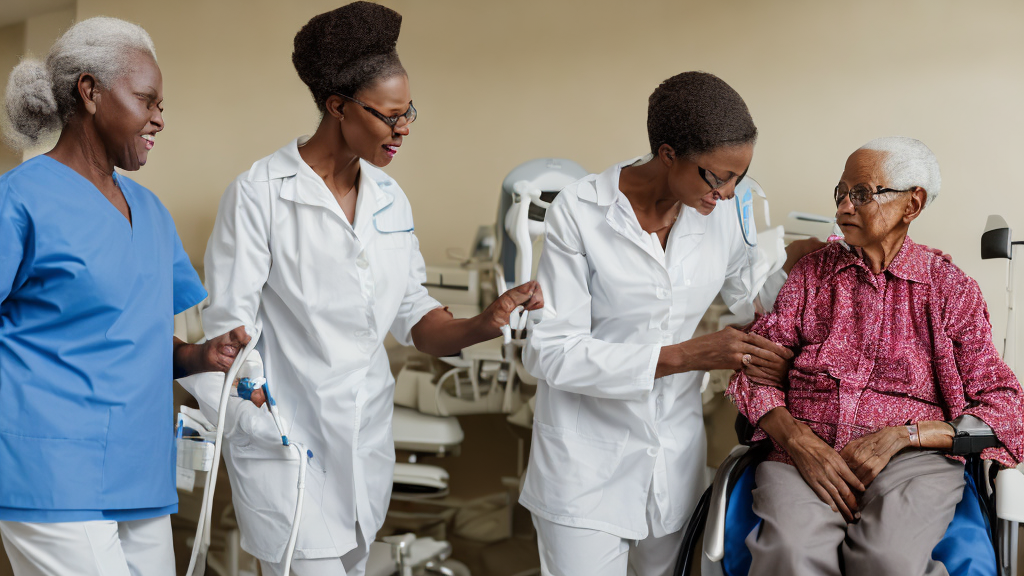
The period following hospital discharge is critical for stroke recovery — and home care nurses are the linchpin of successful rehabilitation.
Uncontrolled hypertension remains the single largest modifiable risk factor for stroke and heart disease in adults over 65.