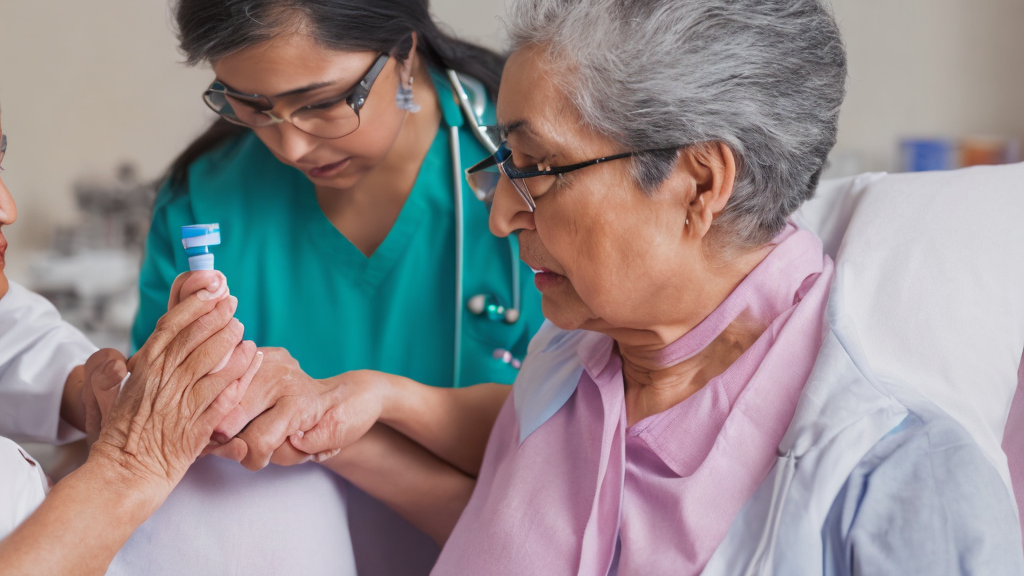
Insulin management in older adults requires simplified regimens, clear device tr...
Insulin therapy in elderly patients with Type 2 diabetes presents a unique set of clinical challenges that demand careful patient selection, simplified prescribing and intensive nursing support. While insulin is highly effective in controlling blood glucose, its narrow therapeutic window, the cognitive and dexterity demands of self-injection and monitoring, and the serious consequences of hypoglycaemia in older adults make it one of the highest-risk medications used in home care settings.
Home care nurses managing insulin-treated patients must be competent in assessing the patient's capacity for self-management, providing device training (pen injectors, needles, glucometers), designing and reviewing blood glucose monitoring schedules, and responding appropriately to hypoglycaemia — including administering glucagon in emergencies. Nutritional regularity is essential to prevent post-insulin hypoglycaemia, and nurses must educate both patients and family caregivers on meal timing relative to insulin administration.
Mehermedics works with diabetes nurse specialists in each destination country to ensure that placed nurses receive destination-specific insulin management training, including familiarity with the insulin products and devices available in the local market, and the escalation protocols used by each partner institution.