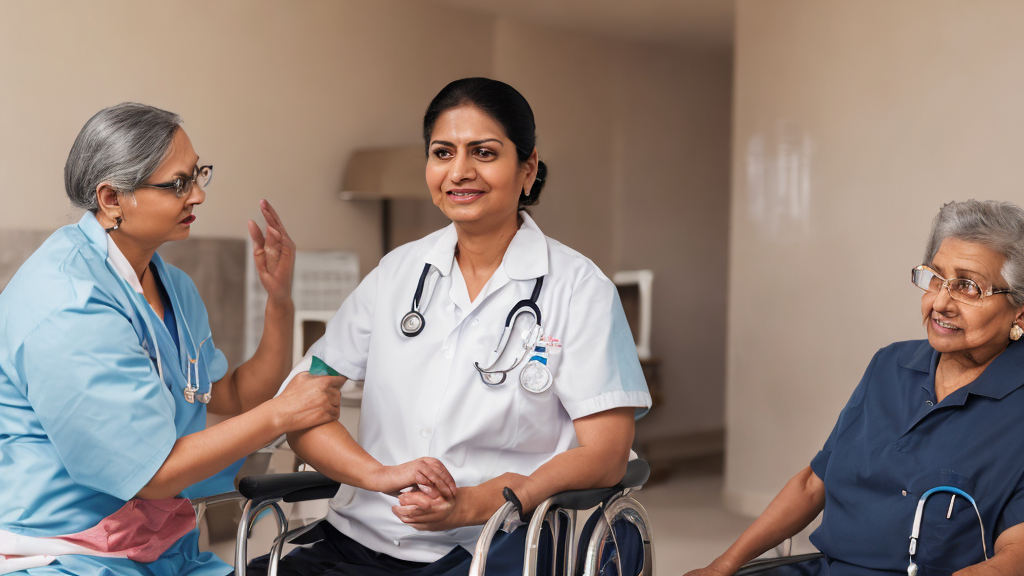
The period following hospital discharge is critical for stroke recovery — and ho...
Stroke is the second leading cause of death and the leading cause of adult disability worldwide. While acute stroke management has advanced dramatically over the past two decades — with thrombolysis and mechanical thrombectomy transforming outcomes for eligible patients — the post-acute and community phases of stroke care remain under-resourced, and the quality of home-based rehabilitation varies enormously between health systems and individual providers.
Home care nurses working with stroke survivors must be proficient in a wide range of assessment and intervention skills: neurological observation, functional assessment, dysphagia screening, continence management, spasticity monitoring and the facilitation of physiotherapy and speech therapy exercises between formal therapy sessions. Emotional and psychological support is equally important — post-stroke depression affects up to 30% of survivors and significantly impairs rehabilitation outcomes if undetected and untreated.
Mehermedics has developed a specialist stroke rehabilitation nursing pathway in partnership with rehabilitation medicine departments at two of our hospital partner institutions. Nurses placed through this pathway receive targeted training in evidence-based stroke rehabilitation techniques and are supported by a multidisciplinary virtual supervision model throughout their placement.