Malnutrition and dehydration are silent epidemics among homebound elderly patien...
Malnutrition affects up to 30% of community-dwelling elderly individuals and is associated with increased susceptibility to infection, delayed wound healing, muscle wasting, cognitive impairment and higher mortality. Despite its clinical significance, malnutrition in older adults is routinely missed, partly because the conventional indicators — body weight and BMI — are unreliable in this population due to changes in body composition, fluid status and posture.
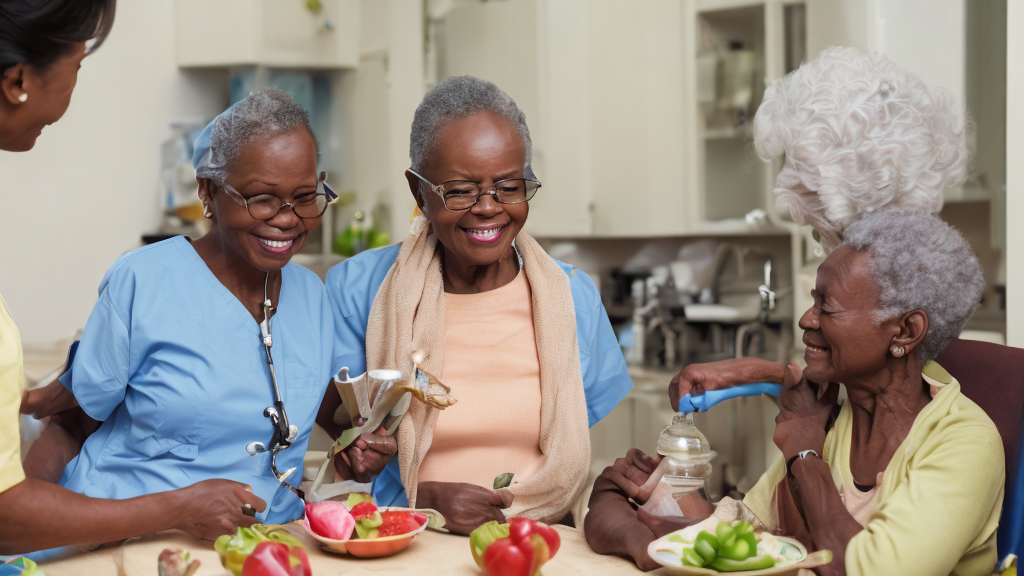
Home care nurses are ideally positioned to identify nutritional risk using validated screening tools such as the Mini Nutritional Assessment (MNA) or Malnutrition Universal Screening Tool (MUST). Key risk factors include appetite loss, difficulty chewing or swallowing, depression, cognitive impairment, social isolation and economic hardship. Interventions range from fortifying foods and introducing oral nutritional supplements to liaising with dietitians and, where necessary, initiating enteral feeding support.
Hydration is equally critical: older adults have a diminished thirst response and are at high risk of dehydration, which can precipitate delirium, urinary tract infections, constipation and falls. Mehermedics trained nurses implement structured fluid intake monitoring and patient-centred hydration strategies as a standard component of all home care assessments.